

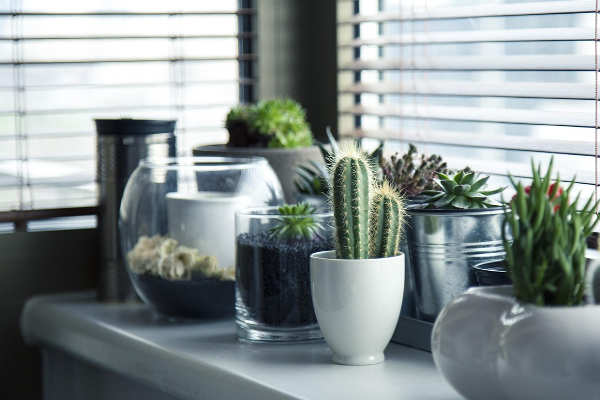
The Role of Art in Home Decoration
Art plays an important role in home decoration because it adds personality, beauty, and character to a living space. Paintings, photographs, sculptures, and other artworks can transform an ordinary room into a more interesting and meaningful environment. Art is an important part of home decoration because it makes a space more beautiful, personal, and meaningful. It can express personality, create a particular mood, add color and character, and bring memories or cultural traditions into the home.
The Importance of Home Decor in Everyday Life
Home decor is important because it helps create a comfortable, functional, and welcoming environment where people can relax, work, and spend time with family and friends. The way a home is decorated can also reflect the personality and lifestyle of the people who live there.
In conclusion, home decor is more than simply making a house look beautiful. It contributes to comfort, organization, self-expression, and overall quality of life. A well-decorated home can create a positive environment that makes everyday living more enjoyable.
12 Chic Winter Layers You’ll Wear on Repeat
Affiliate note: This post may contain affiliate links, which means I may earn a commission at no extra cost to you.
Quick Picks (If You’re Skimming)
- Most versatile: Belted Wrap Coat (Black) – Shop on Amazon
- Best cozy layer: Teddy-Fleece Zip Jacket (Cream) – Shop on Amazon
- Best statement coat: Long Dress Coat with Faux-Fur Collar + Cuffs — Shop on Amazon
- Best pop of color: Hooded Puffer Jacket (Red) – Shop on Amazon
- Best “polished work coat”: Tailored A-Line Coat (Camel) – Shop on Amazon
1) Long Open-Front Maxi Cardigan (Black)
Best for: effortless polish over tees, knits, and office basics.
This longline cardigan is the definition of “threw it on and look put together.” The open front keeps it easy, the length creates a sleek line over jeans/leggings, and the patch pockets add that casual, wearable feel.
Quick review:
- Pros: elevates basics fast, easy to layer, great travel piece
- Cons: long hems can catch; fit matters for the drape
Style tip: Belt it at the waist to give it a coat-like silhouette with boots.
2) Hooded Puffer Jacket with Cozy Lined Hood (Charcoal)
Best for: staying warm without looking bulky.
A practical, everyday puffer in a versatile dark shade—plus a hood that actually looks cozy. This one is ideal for errands, school drop-offs, and walks when you want warmth and a flattering length.
Quick review:
- Pros: comfy hood, classic color, easy daily wear
- Cons: puffers can run boxy—size choice makes a big difference
Style tip: Keep your base layer streamlined (turtleneck + straight jeans) to balance the volume.
3) Cream Chunky Knit “Coatigan” Style Layer
Best for: cozy-chic outfits that still feel effortless.
This is that soft, textured knit layer that looks elevated the second you put it on. It reads as “polished cozy,” perfect for milder winter days or indoor-to-outdoor plans.
Quick review:
- Pros: luxe-looking neutral, cozy texture, photogenic outfit-maker
- Cons: not windproof—add a scarf on colder days
Style tip: Do a tonal look (cream + beige + light denim) for an instant “expensive” vibe.
4) Teddy-Fleece Zip Jacket (Cream) with Contrast Details
Best for: maximum coziness with a clean, sporty finish.
Teddy texture, but with sharper lines thanks to the zipper and contrast trim. It’s the kind of layer that makes a simple outfit look styled—without trying.
Quick review:
- Pros: cozy, cute contrast, easy throw-on piece
- Cons: light colors show makeup/coffee—keep a lint roller handy
Style tip: Pair with straight-leg jeans and minimal sneakers for a cool, casual look.
5) Long Dress Coat with Faux-Fur Collar + Cuffs (Chocolate)
Best for: holiday events, dinners, and “main character” outerwear.
This coat is pure drama (in the best way). The long length and plush faux-fur details instantly dress up even a basic black outfit.
Quick review:
- Pros: statement-making, looks elevated, great for evening plans
- Cons: faux-fur details need careful storage to keep their shape
Style tip: Let the coat do the work: all-black underneath + gold jewelry = effortless glam.
6) Hooded Puffer Jacket (Red) with Cozy Lining
Best for: adding color to winter while staying practical.
A bold puffer is an instant mood-lifter—especially when your wardrobe leans neutral. This one brings the pop while still feeling functional for cold days.
Quick review:
- Pros: fun statement color, easy warmth, hooded for weather days
- Cons: less “goes with everything,” but a great standout piece
Style tip: Wear with black leggings + chunky boots so the red looks chic, not loud.
7) Double-Breasted Fit-and-Flare Coat (Camel)
Best for: work outfits and instantly polished winter looks.
Camel always reads classic, and the fit-and-flare shape gives a flattering waist definition. It’s an easy upgrade over puffers when you want a cleaner silhouette.
Quick review:
- Pros: timeless color, feminine shape, looks put-together
- Cons: structured styles can feel snug when layered over thick knits
Style tip: Pair with knee-high boots and a simple black sweater for a timeless uniform.
8) Belted Wrap Coat (Black)
Best for: minimalist outfits with a cinched waist.
A wrap coat is a true closet workhorse: it’s flattering, adjustable, and works for both casual and dressy plans. The belt makes it easy to shape over layers.
Quick review:
- Pros: waist-defining, versatile, day-to-night friendly
- Cons: wrap styles can let wind in—scarf recommended on cold days
Style tip: Try a monochrome look (all black) for an ultra-sleek winter vibe.
9) Faux-Leather Quilted Puffer Jacket (Cognac)
Best for: edgy-casual outfits that still feel cozy.
The faux-leather finish gives this puffer a more elevated, street-style look, and the warm cognac color pairs beautifully with denim, black, and creams.
Quick review:
- Pros: standout texture, rich color, upgrades basics instantly
- Cons: faux leather can feel less breathable indoors—keep layers light
Style tip: Style with an oatmeal knit and dark denim for a warm tonal palette.
10) Sherpa Hooded Vest (Cream with Tan Trim)
Best for: layering over sweaters on mild days (and chilly indoor life).
A sherpa vest is a sneaky winter essential—especially if you’re in and out of the car or want warmth without bulky sleeves. The contrast trim makes it look styled, not random.
Quick review:
- Pros: cozy, easy to layer, great casual piece
- Cons: not a standalone coat in real cold—think “layering tool”
Style tip: Wear over a fitted turtleneck + straight jeans for casual polish.
11) Tailored A-Line Coat (Camel) with Gold Buttons
Best for: a flattering silhouette that instantly looks refined.
This camel coat is all about shape: structured lapels, a defined waist, and an A-line skirt that feels feminine and polished. The gold-toned buttons add a classic, slightly dressy finish—perfect when you want to look “done” without overthinking it.
Quick review:
- Pros: waist-defining, elegant button detail, great with jeans or dresses
- Cons: tailored coats can run snug at the shoulders if you layer chunky sweaters
Style tip: Pair with dark denim + ankle boots for daytime, or over a sweater dress for dinners.
12) Double-Breasted Military-Inspired Coat (Deep Green)
Best for: a chic alternative to black that still feels timeless.
If you want something classic but not everyone’s coat, deep green is such a good move. The double-breasted front and bold buttons give it a polished, slightly military vibe—structured, confident, and perfect for workwear or date-night layering.
Quick review:
- Pros: standout color, structured silhouette, looks elevated
- Cons: more tailored styles may limit heavy layering underneath
Style tip: Style with black trousers and heeled boots for a sleek city look—or jeans + a cream scarf for contrast.
Final Styling Notes
- Build outfits around a simple base (turtleneck + jeans, knit dress, or a matching set) and let your outer layer do the work.
- If you’re between sizes and plan to wear chunky sweaters underneath, consider sizing up for coats and puffers.
- A great scarf + gloves can make even a basic jacket look intentional.
How Natural Elements Improve Home Design
Natural elements can make a home feel more comfortable, peaceful, fresh, and connected to nature. Incorporating materials such as plants, wood, stone, natural fibers, sunlight, and water can improve both the appearance and atmosphere of a living space.
Natural elements can improve home design by making spaces more attractive, comfortable, peaceful, and inviting. Plants, natural light, wood, stone, natural fabrics, and earthy colors can transform an ordinary room into a space that feels connected to nature. As people increasingly value comfort and sustainability, natural elements continue to play an important role in modern home design.
Online Shopping and Fashion Consumer Behavior
Online shopping has changed the way people discover, choose, and purchase fashion products. With websites and mobile shopping apps, consumers can browse thousands of clothing items without visiting a physical store. This convenience has significantly influenced fashion consumer behavior.
Online shopping has greatly influenced fashion consumer behavior. Convenience, variety, social media, discounts, customer reviews, and personalized recommendations all affect what people buy and how they make purchasing decisions. As technology continues to develop, online shopping will likely play an even larger role in the future of the fashion industry.
Why People Buy Fashionable Clothes
People buy fashionable clothes for many different reasons. Fashion is not only about looking good; it can also influence how people feel, behave, and interact with others. Clothing can be a way to express personality, follow trends, and feel confident.
1. Self-Expression
People use clothing to express their personality, interests, and individual style. The colors, designs, and types of clothes they choose can show who they are.
2. Building Confidence
Wearing fashionable clothes can make people feel more attractive and confident. When people are comfortable with their appearance, they may feel more confident in social and professional situations.
3. Following Trends
Many people purchase fashionable clothes because they want to keep up with current trends. Social media, celebrities, influencers, and fashion brands can introduce people to new styles.
4. Social Acceptance
People sometimes dress according to popular styles because they want to fit in with friends, classmates, coworkers, or social groups. Fashion can create a sense of belonging.
5. Making a Good Impression
Clothing can influence people’s first impressions. Wearing stylish and appropriate clothing can help someone appear confident, professional, or well-presented.
6. Social Media Influence
Platforms such as Instagram and TikTok expose people to new fashion trends every day. Seeing influencers and celebrities wearing certain styles can encourage people to purchase similar clothing.
7. Emotional Satisfaction
Shopping for clothes can be enjoyable. Some people buy fashionable clothing because getting something new makes them feel happy, excited, or rewarded.
8. Celebrity Influence
Celebrities, musicians, athletes, and influencers often have a strong impact on fashion choices. Fans may purchase clothing inspired by the people they admire.
9. Cultural Influence
Fashion can also be connected to culture and traditions. People may choose fashionable clothing that incorporates traditional designs, patterns, or materials to show pride in their heritage.
10. Personal and Professional Opportunities
People may invest in fashionable clothing because they believe their appearance can affect opportunities. For example, dressing professionally may help create a positive impression during an interview or business meeting.
How Fashion Reflects Culture and Tradition
Fashion is more than just clothing; it is a way for people to express their culture, history, beliefs, and traditions. Traditional clothing often reflects the values and identity of a particular community. The colors, patterns, fabrics, and designs used in clothing can tell stories about a culture and its history.
Fashion also changes as cultures interact with one another. Modern designers often combine traditional patterns and materials with contemporary styles. This allows cultural traditions to remain relevant while adapting to modern lifestyles.
Overall, fashion serves as a visual representation of cultural identity. It helps preserve traditions, communicate history, and connect people with their heritage while also allowing cultures to evolve over time.
The Relationship Between Home Decor and Mental Well-Being
Home decor can influence our mental well-being because the environment we live in can affect our mood, comfort, stress levels, and overall sense of relaxation. A well-organized and personalized home can help create a positive and peaceful atmosphere. Home decor and mental well-being are connected because our surroundings can influence how we feel and behave. A comfortable, organized, and personalized home can create a peaceful environment, reduce stress, improve mood, and help people feel more relaxed and connected to their living space.
The Psychology of Color in Home Decor
The psychology of color in home decor is the study of how different colors can influence people’s emotions, moods, and behavior within a living space. The colors we choose for walls, furniture, and decorations can affect how a room feels. Color plays an important role in home decor because it can influence how people feel in a space. Different colors can create different moods, such as calmness, happiness, energy, or relaxation. Choosing the right colors can therefore make a home more comfortable, welcoming, and suitable for the activities that take place in each room.
What Is Home Decor
Home decor refers to the way people decorate and arrange their homes to make them look attractive, comfortable, and reflect their personal style.
It includes choosing furniture, colors, lighting, artwork, decorations, and other items to create a particular atmosphere or design.
Home decor is the art of decorating and arranging a living space using furniture, colors, lighting, and decorative items to create a comfortable, attractive, and personalized environment.
Ethical Fashion and Workers’ Rights
Ethical fashion is an approach to clothing production that focuses on treating workers fairly, providing safe working conditions, and reducing harmful environmental practices. It encourages fashion companies to consider not only profit but also the people who make their products.
Fashion workers should receive fair pay that allows them to support themselves and their families. Workers should have clean and safe workplaces and should not be exposed to dangerous conditions. Ethical fashion supports reasonable working hours and appropriate breaks instead of excessive working hours. Companies should ensure that their supply chains do not rely on child labor or forced labor. Workers should be able to speak up about workplace problems and have their basic labor rights respected. Fashion brands can provide information about where and how their products are made. This allows consumers to make more informed choices. Consumers can support ethical fashion by buying from responsible brands, choosing quality products that last longer, and avoiding unnecessary purchases.
Ethical fashion focuses on protecting the rights and well-being of people who make our clothes. It promotes fair wages, safe working conditions, reasonable working hours, and freedom from child and forced labor. By supporting ethical fashion, both companies and consumers can contribute to a fairer and more responsible fashion industry.
The Influence of Fashion on Self-Confidence
Fashion can have a strong influence on self-confidence because the clothes people wear can affect how they feel about themselves and how they believe others perceive them. When people feel comfortable and happy with their appearance, they may feel more confident in social and professional situations.
Fashion can influence self-confidence by helping people express themselves, feel comfortable with their appearance, and feel prepared for different social situations. However, confidence should not depend entirely on appearance or following fashion trends.
Virtual Fashion and Digital Clothing
Virtual fashion and digital clothing refer to clothes that exist digitally rather than physically. They can be designed and worn on digital avatars, used in video games and virtual worlds, or added to photos and videos using digital technology.
What is virtual fashion?
Virtual fashion consists of digital outfits that people can use in virtual environments or on social media without physically owning the clothes.
Virtual fashion and digital clothing represent a new form of fashion that exists in the digital world. They allow people to experiment with styles and express themselves without always producing physical clothing. With the development of virtual reality, augmented reality, and 3D design, digital fashion could become an important part of the future of the fashion industry.
The Role of Technology in Sustainable Fashion
Technology plays an important role in making the fashion industry more sustainable by helping brands reduce waste, save resources, and create environmentally friendly products.
Technology can make fashion more sustainable by reducing waste, improving the use of materials, supporting recycling, and helping companies produce only what consumers need. As technology continues to develop, it can help create a fashion industry that is both innovative and environmentally responsible.
The Relationship Between Fashion and Identity
Fashion and identity are closely connected because the way people dress can communicate who they are, what they value, and how they want others to see them. Clothing is not only about looking good—it can also be a form of self-expression.
Key points:
Self-expression
People use clothing, hairstyles, shoes, and accessories to show their personality and individual style.
Culture and traditions
Fashion can represent a person’s cultural background through traditional clothing, patterns, colors, and designs.
Social groups
People may use certain fashion styles to identify with a group or community, such as streetwear, sports fashion, or alternative styles.
Confidence and emotions
Wearing clothes that people feel comfortable and confident in can influence how they feel about themselves.
Gender and identity
Fashion allows people to explore and express how they see themselves, challenging traditional ideas about how different genders “should” dress.
Social media influence
Social media expose people to different fashion styles, which can influence how they develop or change their personal identity.
How to Color Drench a Room
Color drenching a room means painting the walls, ceiling, and trim (and optionally doors or built-ins) in one single shade so the space reads as one continuous envelope of color.
What role does social media play in modern fashion
Social media plays a major role in modern fashion because it allows fashion trends to spread quickly and reach people around the world.
Key roles of social media in fashion:
Spreads trends quickly – A style can become popular within days through Social Media platforms.
Influences consumers – Influencers and celebrities can encourage people to buy or wear certain clothes.
Provides fashion inspiration – Users can discover outfit ideas, styling tips, and new brands.
Promotes fashion brands – Brands use social media to advertise their products and connect directly with customers.
Encourages self-expression – People can share their personal style and experiment with different fashion aesthetics.
Creates global trends – Social media connects different cultures, allowing fashion styles from one country to become popular worldwide.
What are fashion trends
Fashion trends are styles, clothing, colors, accessories, or ways of dressing that become popular among many people during a particular period of time.
For example, when many people start wearing baggy jeans, oversized shirts, or Y2K-inspired outfits, these styles can be considered fashion trends.
Simple definition for your presentation:
Fashion trends are popular styles and clothing choices that become widely accepted and followed by people at a certain time.
Fashion trends can be influenced by social media, celebrities, influencers, designers, music, movies, and popular culture.


